Posted by Dedet Panabi on | Comments Off on AirSweep Clean in Place Transforms Improves Infant Formula Plant’s Productivity and Safety
In food manufacturing, clean in place (CIP) systems are essential—not just for meeting regulatory standards but for protecting the health of consumers. When you’re dealing with sensitive applications like infant formula, thorough, efficient cleaning is non-negotiable. But traditional CIP systems have limitations, especially when it comes to bulk materials that stick, cake, or clump during production.
Enter AirSweep CIP: a powerful innovation that acts as a flow aid and clean in place system, for one streamlined solution. It ensures hygienic operation without compromising production speed—perfect for industries that require both bulk material handling efficiency and strict sanitation.
What is Clean in Place?
Clean in place systems were developed to allow manufacturers to clean the interior surfaces of process equipment without disassembling machinery. In industries like infant nutrition, food, beverage, dairy, and pharmaceuticals, CIP ensures compliance with strict health regulations minimizes downtime, and improves product safety.
Without Clean in Place systems, workers must manually clean the bulk material processing vessels. This slow, tedious process causes downtime and wastes man hours.
What are the problems of traditional Clean in Place systems?
Not all CIP systems are created equal. Many traditional setups struggle with issues that affect product safety and production time.
Residual buildup that CIP sprays can’t fully reach
Inefficient cleaning that requires repeat cycles
Manual scraping that adds labor costs and safety risks
Separate nozzles and systems for material flow and cleaning
These challenges are magnified when handling powdered bulk materials—like milk powder, flour, cocoa, or protein blends—that cling to vessel walls, create dead zones, and clog process lines.
AirSweep CIP solves these problems with its revolutionary dual-function design.
AirSweep CIP: Complete Bulk Material Handling Solution for Material Flow and Cleaning
AirSweep CIP acts as both a flow aid and a clean in place system. It’s designed specifically for bulk material handling applications that require hygienic processing and thorough cleaning.
Here’s how it works:
During production, AirSweep CIP releases high-pressure, high-volume air pulses that dislodge material stuck to vessel walls, ensuring consistent flow.
During cleaning, the same unit sprays water and cleaning agents, flushing the vessel interiors. For dry cleanouts, AirSweep CIP can use only air to clean the system—ideal for processes that need to limit water or moisture.
AirSweep CIP can also be designed to reach dead zones or areas that existing CIP systems can’t reach.
Case Study: Infant Formula Manufacturer Cuts Cleaning Time by 75%
A global infant formula producer faced a critical challenge: they used the same vessels to manufacture both regular and hypoallergenic infant formula. Any trace of milk proteins in the hypoallergenic line could cause dangerous allergic reactions. Cleaning had to be flawless.
Before installing AirSweep CIP, the plant relied on traditional clean in place methods. Despite multiple wash cycles and manual scraping, the process still took up to 40 hours to fully clean the system between product changeovers.
After installing AirSweep CIP units in their blenders, vacuum receivers, sifters, and packaging lines, they saw a dramatic improvement:
Shorter cleaning times (dropping from 40 hours to 10 hours)
Improved product quality
Significantly lower downtime
No manual cleaning, which allowed workers to focus on more important tasks
By ensuring complete removal of bulk materials during and after production, AirSweep CIP gave the facility confidence that each batch met the highest safety standards—critical for a product meant for the most vulnerable consumers.
What industries can use AirSweep CIP?
While this case study highlights the value of AirSweep CIP in infant formula manufacturing, the technology benefits any facility that needs to prevent residue buildup, cross-contamination, and long downtimes.
AirSweep CIP solves these challenges by improving material flow and shortening cleaning times between batch runs. Its innovative, globally patented design enables:
Higher productivity from reliable first-in/first out material flow
Greater flexibility – choose from wet or dry cleaning options
More efficient use of energy, water, and cleaning chemicals
Less manual interventions, which reduces the risk for injuries or human error
Where Can You Install an AirSweep CIP?
AirSweep can be installed on any bulk material handling equipment, such as:
Blenders
Hoppers
Silos
Bins
Chutes
Conveying systems
AirSweep CIP is an ideal solution not just for sanitation—but for improving the overall flow performance of bulk materials throughout your production line.
Clean in place doesn’t have to mean long downtimes, complicated equipment setups, or inconsistent results. With AirSweep CIP, food manufacturers can meet the highest hygiene standards while staying lean and efficient.
Let’s talk about how to integrate AirSweep CIP into your bulk material handling system. Contact us online or email sales@controlconceptsusa.com.
Posted by Dedet Panabi on | Comments Off on 10 Signs Your Facility Needs an AirSweep
When it comes to material flow, even a small disruption can lead to big problems. From delayed production schedules to wasted materials, inefficiencies pile up quickly. That’s where AirSweep can make all the difference. But how do you know if it’s time to invest in a flow aid system that actually works? Here are ten telltale signs your facility needs an AirSweep system now.
1. Frequent Bridging and Ratholing
If materials clump together and form bridges or ratholes in silos, bins, or hoppers, it’s a clear sign of inefficient flow. These issues block material from moving freely and can bring production to a halt. AirSweep solves this by delivering powerful, precise air pulses that break apart material blockages, ensuring smooth flow.
2. Frequent Downtime for Manual Cleaning
How often does your team have to stop operations to manually clean or unclog equipment? If workers are hammering on the sides of vessels or entering confined spaces to dislodge stuck material, it’s not just a waste of time—it’s a safety hazard. AirSweep eliminates the need for manual intervention, keeping workers safe and production running. Read more about how it can reduce cleaning and maintenance time.
3. Wasted Material Due to Buildup
Material that sticks to the walls of your equipment isn’t just an annoyance—it’s money down the drain. Whether it’s powder, grains, or sticky substances, AirSweep ensures that every last bit of material is discharged, maximizing yield and minimizing waste.
4. Production Delays Due to Inconsistent Flow
Inconsistent material flow can disrupt production timelines, leading to missed deadlines and unhappy customers. AirSweep’s on-demand activation ensures that materials flow exactly when and where you need them, keeping production on schedule.
5. Current Flow Aids Aren’t Effective
Are you using vibrators, fluidizers, or air cannons but still facing flow problems? These methods often fail to address the root cause of blockages and can even damage your equipment. AirSweep’s unique design targets material precisely, delivering reliable results without causing wear and tear.
6. Challenging Materials
Certain materials—like fine powders, moist substances, or sticky products—are notoriously difficult to handle. If you’re working with tough materials and experiencing frequent flow issues, AirSweep’s powerful air pulses can help. They’re designed to work with even the most challenging materials, ensuring consistent flow in every application.
7. Excessive Energy Consumption
Flow aids like vibrators or fluidizers can consume a lot of energy without delivering consistent results. AirSweep operates efficiently, using brief bursts of air to achieve maximum impact, helping you reduce energy costs without compromising performance.
8. Plans to Scale Up Production
As your business grows, so do the demands on your equipment. Increased production volumes can exacerbate existing flow problems or create new ones. Installing AirSweep ensures your facility is ready to handle higher capacity without compromising efficiency.
9. Contamination Risks
For industries like food processing and pharmaceuticals, material buildup isn’t just a flow issue—it’s a contamination risk. Stuck material can rot, spoil, or mix with other products, leading to quality control problems. AirSweep’s clean, non-intrusive design ensures that your facility meets strict hygiene standards.
10. Customer Complaints About Product Quality
If inconsistent material flow is leading to poor-quality products, you’ll hear about it from your customers. Clumped or unevenly mixed materials can ruin batches and damage your reputation. AirSweep ensures even distribution and flow, so every product meets your high standards.
Why AirSweep?
Unlike traditional flow aids, AirSweep doesn’t rely on brute force or guesswork. Its powerful air pulses reach every corner of your equipment, dislodging stuck materials and restoring flow instantly. Whether you’re working with powders, granules, or sticky substances, AirSweep delivers reliable results, every time.
Investing in AirSweep isn’t just about solving flow problems; it’s about future-proofing your facility. With less downtime, lower energy costs, and higher productivity, the benefits add up quickly.
Ready to solve your material flow challenges once and for all? Contact us today to learn how AirSweep can transform your operations.
Posted by Dedet Panabi on | Comments Off on Standard AirSweep or AirSweep Straight Shooter: Which Should You Get?
When managing bulk materials in industrial settings, ensuring consistent material flow from storage vessels is crucial. Without the right system, you could face costly delays, material waste, and equipment damage due to blockages or inconsistent discharge.
AirSweep’s two primary models, the Standard AirSweep and the AirSweep Straight Shooter, are designed to solve these challenges. By understanding the key differences between these models, you can choose the best option to optimize your operations.
Standard AirSweep: Broad and Reliable Coverage
The Standard AirSweep is engineered for versatility and reliability. This model uses high-pressure, high-volume bursts of compressed air that radiate in a 360-degree pattern. These powerful bursts break material bonds, lift stubborn particles off vessel walls, and sweep them back into the flow stream. The key features are:
Wide Application Range: The Standard AirSweep is effective across a variety of materials, from fine powders like flour or cement to coarse substances such as grains or aggregates.
Multi-Equipment Compatibility: Whether installed in silos, hoppers, bins, or mixers, this model adapts to your equipment needs.
360-Degree Effectiveness: Its broad activation area ensures that material flow is maintained across the entire vessel.
If your goal is to eliminate material flow issues in large vessels or systems with uniform material distribution, the Standard AirSweep is a dependable choice. It ensures that even materials prone to bridging, ratholing, or clinging to walls can flow freely.
AirSweep Straight Shooter: Precision and Targeted Power
The AirSweep Straight Shooter offers a specialized approach for scenarios where precision is critical. Unlike the Standard model, the Straight Shooter delivers compressed air in a focused, linear column, resembling a fire hose’s stream. This design is ideal for applications requiring pinpoint accuracy or where structural constraints make 360-degree coverage unnecessary. The key features are:
Targeted Air Bursts: The linear air pulse breaks material buildup in confined or hard-to-reach areas.
Flexible Installation: The Straight Shooter can be mounted at different angles using standard pipe elbows or fittings, allowing you to direct the air exactly where it’s needed.
Specialized Applications: Perfect for cleaning specific vessel sections or addressing material buildup in equipment with complex geometries.
If you’re working with materials that tend to clog in specific areas or have limited access points in your vessel, the Straight Shooter’s focused performance can resolve these challenges efficiently.
Watch the AirSweep Straight Shooter USDA 135 in action. The model is also built to meet USDA sanitary requirements, and is ideal for food and pharmaceutical industries.
Key Differences Between the Standard and Straight Shooter Models
To make the best decision, it’s important to weigh the differences between these two models:
Air Pulse Pattern:
Standard AirSweep: Distributes a 360-degree air burst to activate material flow broadly across the vessel.
Straight Shooter: Emits a linear column of air for precise, concentrated activation.
Applications:
Standard AirSweep: Best for general use where wide-area activation is necessary.
Straight Shooter: Ideal for targeted cleaning or activating materials in confined spaces.
Installation Flexibility:
Standard AirSweep: Typically mounted on vessel walls, covering large areas.
Straight Shooter: Can be installed at various angles, offering flexibility to target specific problem spots.
Material Characteristics:
Standard AirSweep: Handles a wide range of materials effectively, particularly those prone to uniform clogging.
Straight Shooter: Excels in dislodging stubborn buildups in concentrated areas or specialized equipment.
How to Choose the Right AirSweep for Your Needs
Selecting between the Standard AirSweep and the AirSweep Straight Shooter depends on your unique requirements. Here’s how to decide:
Evaluate Your Material Characteristics
Are your materials prone to bridging or ratholing across the vessel? The Standard AirSweep’s 360-degree coverage is likely your best bet.
Do you encounter localized blockages or material buildup in specific spots? Opt for the Straight Shooter to address these targeted issues.
Consider Your Vessel Design
Large, open vessels benefit from the Standard AirSweep’s broad coverage.
Equipment with structural constraints or complex geometries calls for the Straight Shooter’s focused air bursts.
Review Process Requirements
If your operations require frequent cleaning between batches or involve sticky materials, the Straight Shooter provides precise cleaning where it’s needed most.
For continuous flow in standard systems, the Standard AirSweep offers consistent performance.
Optimize Material Flow with the Right AirSweep
Both the Standard AirSweep and the AirSweep Straight Shooter are designed to tackle material flow challenges, but their unique strengths make them suited to different applications. The Standard AirSweep ensures comprehensive coverage for a variety of materials and vessel types, while the Straight Shooter offers pinpoint precision for specialized needs.
By assessing your material characteristics, vessel design, and operational requirements, you can select the model that’s perfect for your setup. For expert guidance, consult with AirSweep engineers—their expertise can help you maximize efficiency, minimize downtime, and keep your materials moving effortlessly.
Posted by Dedet Panabi on | Comments Off on 5 Food Industry Trends for 2025
The food processing industry has undergoing significant transformations, driven by factors such as changing consumer preferences, technological advancements, economic conditions, regulatory policies, and environmental concerns. Learn about food industry trends that can affect plant operations and production goals.
1. Green Food Processing
Sustainability is no longer a buzzword; it’s a mandate. Consumers and regulators alike demand eco-friendly practices that minimize environmental impact. This shift compels manufacturers to adopt renewable energy sources, reduce waste, and implement sustainable methods throughout production. Embracing green food processing not only meets regulatory requirements but also appeals to the growing segment of eco-conscious consumers.
2. Food Waste Management
With global food waste contributing significantly to environmental degradation, the industry is under pressure to enhance resource utilization. Innovations in processing techniques and supply chain management are being developed to address this issue. Efficient utilization of resources, improved storage solutions, and advanced inventory management systems are among the strategies employed to minimize waste. By tackling food waste, manufacturers can enhance profitability and contribute to food security.
Flow aids can help minimize material waste caused by inconsistent flow. A food company threw away 40 pounds of mixture a day, and even had to pay to have it hauled away, until they installed AirSweep. Watch how AirSweep can be used to promote first-in/first-out flow for all types of food materials.
3. Alternative Proteins
The rise of plant-based and lab-grown proteins is transforming the food landscape. These alternatives cater to health-conscious consumers and address environmental concerns associated with traditional meat production. Incorporating alternative proteins into product lines allows manufacturers to diversify offerings and meet the evolving preferences of consumers seeking sustainable and ethical food choices.
4. Enhanced Food Safety Measures
Advancements in technology are leading to improved food safety protocols. The implementation of early warning systems, real-time analytics, and AI-driven solutions helps in the proactive detection and prevention of foodborne illnesses. By prioritizing food safety, manufacturers can protect public health, comply with stringent regulations, and maintain consumer trust.
5. Personalized Nutrition
With the rise of personalized nutrition, food safety is becoming more tailored to individual dietary needs. Technologies that track dietary preferences, allergens, and nutritional requirements are driving the development of personalized food products. This trend enables manufacturers to offer customized solutions, enhancing customer satisfaction and opening new market opportunities.
Keep up with Food Industry Trends with a Smarter Flow Aid
AirSweep can help food manufacturers align with industry trends such as sustainability, waste reduction, and enhanced food safety. The system’s efficiency contributes to greener processing by minimizing material waste and reducing energy consumption associated with manual cleaning and maintenance. It also provides consistent and powerful material flow, even for challenging materials like alternative protein products. Find out more about how AirSweep is used in the food industry and why it is more effective than other flow aids.
Feed & Grain magazine, which serves feed manufacturers and firms involved in handling and processing grain commodities, featured AirSweep in its latest blog.
The article AirSweep Keeps The System Flowing tackled a common issue among food manufacturers: clumping of ingredients that tend to hold moisture. A global food and agribusiness company was using hammers, but needed a more efficient flow aid to keep up with factory expansion.
Read about why they chose AirSweep, and how it improved their material flow, work environment, and their bottom line.
You can also view our case study right here on the Control Concepts USA website.
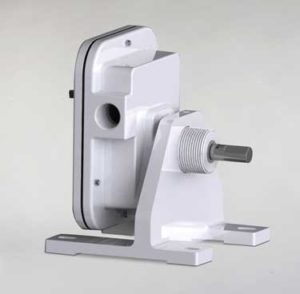
Control Concepts, Inc. announced today the new RotoGuard® IV speed switches, an electronic speed switch device for sensing the reduction, increase, or loss in rotational motion associated with many types of moving equipment.
The RotoGuard IV is designed with an optical encoder and multi-toothed interrupter wheel to transform the rotation of the input shaft to voltage pulses. The unit can detect changes in motion between 1 and 400 RPM and provide a change of state, or alarm, when a variation in operating speed occurs. The RotoGuard IV may be directly coupled to another shaft or driven with a belt or chain.
“If one machine malfunctions, the RotoGuard switches can shut off the system to prevent further damage and delays that can cost thousands or even millions of dollars,” said Henry Tiffany III, president of Control Concepts, Inc.
The new RotoGuard IV features:
Solid state electronics
Universal Voltage Input
Startup delay (0-120 seconds)
Alarm delay (0-60 seconds)
Models available with NEMA 4/5 Rating (weatherproof and dust tight) or NEMA 7/9 Rating (Explosion Proof [EP models cannot exceed 100 RPM.])
UL Listed
Made in the USA
The RotoGuard® IV is available in four models ranging in price from $700 – $900. With a warranty of three years, these speed switches have one of the longest guarantees in the industry. See more about the new product here.
About Us:
Since 1951, Control Concepts Inc. has helped solve material flow issues in plants around the world. We have tens of thousands of systems installed worldwide, and clients that include both S&P companies and SMEs. Our patented technologies are used in every industry because they are reliable, cost-effective, and have an amazing track record. We also have the longest warranties in the industry.
When you install a Control Concepts product, you can walk away and focus on other parts of the plant. Our AirSweep® bulk material activation system ensures on-demand material flow, AcoustiClean® Sonic Horns replaces manual material clearing, and DAZIC® and RotoGuard® Speed Switches prevent expensive equipment pileup.
Copyright Control Concepts, Inc. , 19 S. Main Street, Brooklyn, CT 06234 • ph: 860-928-6551 • fax: 860-928-9450
This website uses cookies to improve your experience while you navigate through the website. Out of these cookies, the cookies that are categorized as necessary are stored on your browser as they are essential for the working of basic functionalities of the website. We also use third-party cookies that help us analyze and understand how you use this website. These cookies will be stored in your browser only with your consent. You also have the option to opt-out of these cookies. But opting out of some of these cookies may have an effect on your browsing experience.
Necessary cookies are absolutely essential for the website to function properly. This category only includes cookies that ensures basic functionalities and security features of the website. These cookies do not store any personal information.
Any cookies that may not be particularly necessary for the website to function and is used specifically to collect user personal data via analytics, ads, other embedded contents are termed as non-necessary cookies. It is mandatory to procure user consent prior to running these cookies on your website.